
Leucoderma (Vitiligo)
Written by Dr. Shailesh Doshi
What is Leucoderma?
Leucoderma, also known as Vitiligo, is a chronic skin disorder characterised by the appearance of white or pale patches on the skin caused by the gradual loss of melanin — the pigment that gives skin its natural colour. The word “leucoderma” is derived from Greek: leuco (white) and derma (skin). The condition can affect any part of the body and may appear at any age.
While leucoderma is not contagious and does not cause any physical pain or illness, the visible white patches can significantly impact a person’s self-esteem and quality of life, particularly in individuals with darker skin tones where the contrast is more prominent.
Causes
Leucoderma is considered primarily an autoimmune disease in which the body’s own immune system attacks and destroys the melanocytes (pigment-producing cells). However, multiple factors are believed to contribute:
- Autoimmune reaction: The immune system mistakenly targets melanocytes.
- Genetic predisposition: A family history of vitiligo increases susceptibility.
- Chemical exposure: Contact with certain chemicals (e.g., phenols, rubber compounds) can trigger onset.
- Stress: Physical or emotional stress is known to precipitate or worsen the condition.
- Hormonal imbalances: Thyroid and adrenal disorders are frequently associated.
- Trauma to the skin: Injury, sunburn, or skin infections can trigger new patches (Köbner phenomenon).
- Nutritional deficiencies: Deficiency of copper, zinc, and vitamins may contribute.
Symptoms and Signs
- Milky-white or pale patches on the skin, most commonly seen on the face, hands, wrists, armpits, groin, and around the eyes or mouth
- Premature whitening or greying of hair on the scalp, eyelashes, eyebrows, or beard
- Loss of colour inside the mouth or nose (mucous membrane involvement)
- Change in colour of the inner layer of the eye (retina)
- Patches may gradually enlarge and merge, or remain stable for years
Types of Leucoderma
- Generalised Vitiligo (Non-Segmental): The most common type; patches appear symmetrically on both sides of the body.
- Segmental Vitiligo: Patches appear on only one side or segment of the body; tends to be more stable and less widespread.
- Focal Vitiligo: A few small, isolated patches in a limited area.
- Universal Vitiligo: Rare; nearly all skin pigmentation is lost.
Homeopathic Approach to Leucoderma
Homeopathy offers a holistic and constitutional approach to leucoderma, treating not just the skin patches but the underlying immunological imbalance. Unlike topical steroids or immunosuppressants, homeopathic medicines are safe, free from side effects, and work to stimulate the body’s own healing mechanisms.
Homeopathic treatment focuses on:
- Slowing or halting the spread of existing patches
- Stimulating re-pigmentation of existing white patches
- Addressing the underlying autoimmune or endocrine trigger
- Improving overall immunity and emotional well-being
Key Homeopathic Remedies
Medicines are always selected individually based on the constitutional make-up of the patient. Some frequently indicated remedies include:
- Arsenicum Sulphuratum Flavum: Effective when patches are associated with intense itching and anxiety.
- Natrum Muriaticum: Often indicated when vitiligo follows grief, stress, or emotional trauma.
- Silicea: Useful when vitiligo is associated with weak immunity and recurrent infections.
- Arsenicum Album: Indicated when patches are burning and the patient is restless and anxious.
- Phosphorus: Used in cases where the skin has wide, spreading patches with sensitivity to light.
Note: Self-medication is not advisable. Please consult a qualified homeopathic practitioner for an individualized prescription.
Lifestyle and Dietary Advice
- Eat a diet rich in antioxidants — include carrots, leafy greens, beets, and nuts
- Ensure adequate intake of copper (in drinking water from a copper vessel), zinc, and B12
- Avoid excessive sun exposure; use sun protection on affected areas
- Manage stress through yoga, meditation, or light exercise
- Avoid skin injuries and trauma in areas already affected
- Refrain from chemical hair dyes and harsh cosmetic products
Patient treatment photos — tap to reveal
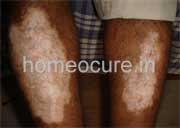
|
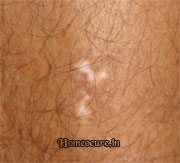
|
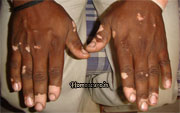
|
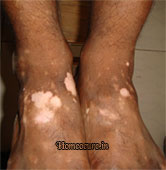
|
| More Snaps... | |